
How do Solis Marine’s naval architects support during casualty management?
Solis Marine’s global casualty team, consisting of a mixture of master mariners and naval architects, are ready to attend casualties at short notice. The casualties may be in remote locations with limited connectivity and scarce information. Our team of naval architects is prepared to assist the casualty team, but how do they support them?
Casualty Response
During the early stages of a salvage response, it is essential to understand the casualty's condition, often with minimal information beyond potentially unreliable draught readings and basic details about the casualty and the extent of damage.
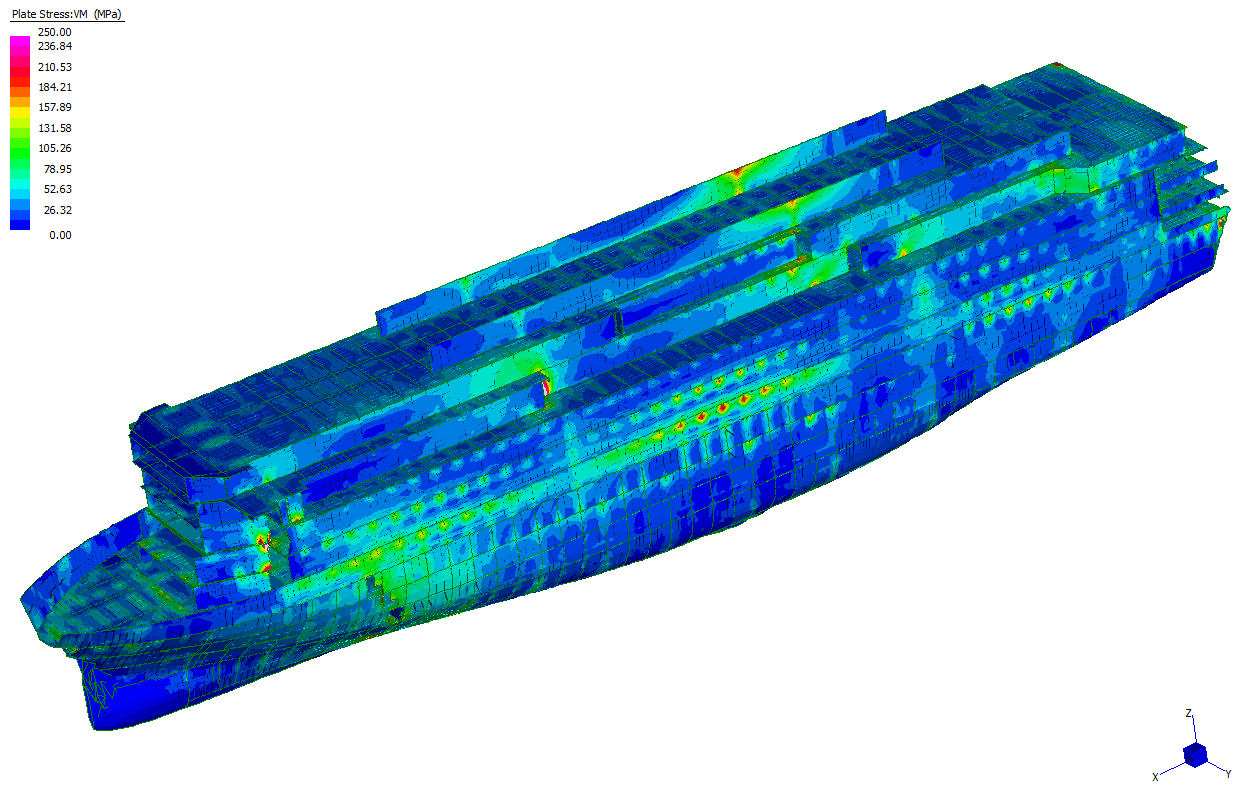
From this information, our naval architects can provide vital analysis to Solis Marine’s casualty team, including estimations of grounding forces, which tanks may be breached, preliminary assessments of the vessel's residual strength and stability, and preliminary towing force calculations.
This helps free up the casualty team's time and allows them to assess the risk to the vessel, whether the salvor's response is appropriate for the situation, and whether they may require more or fewer assets.
The experience of our naval architects working in collaboration with the wider salvage team is vital for providing reasonable assumptions that don’t discount options for the salvage at an early stage.
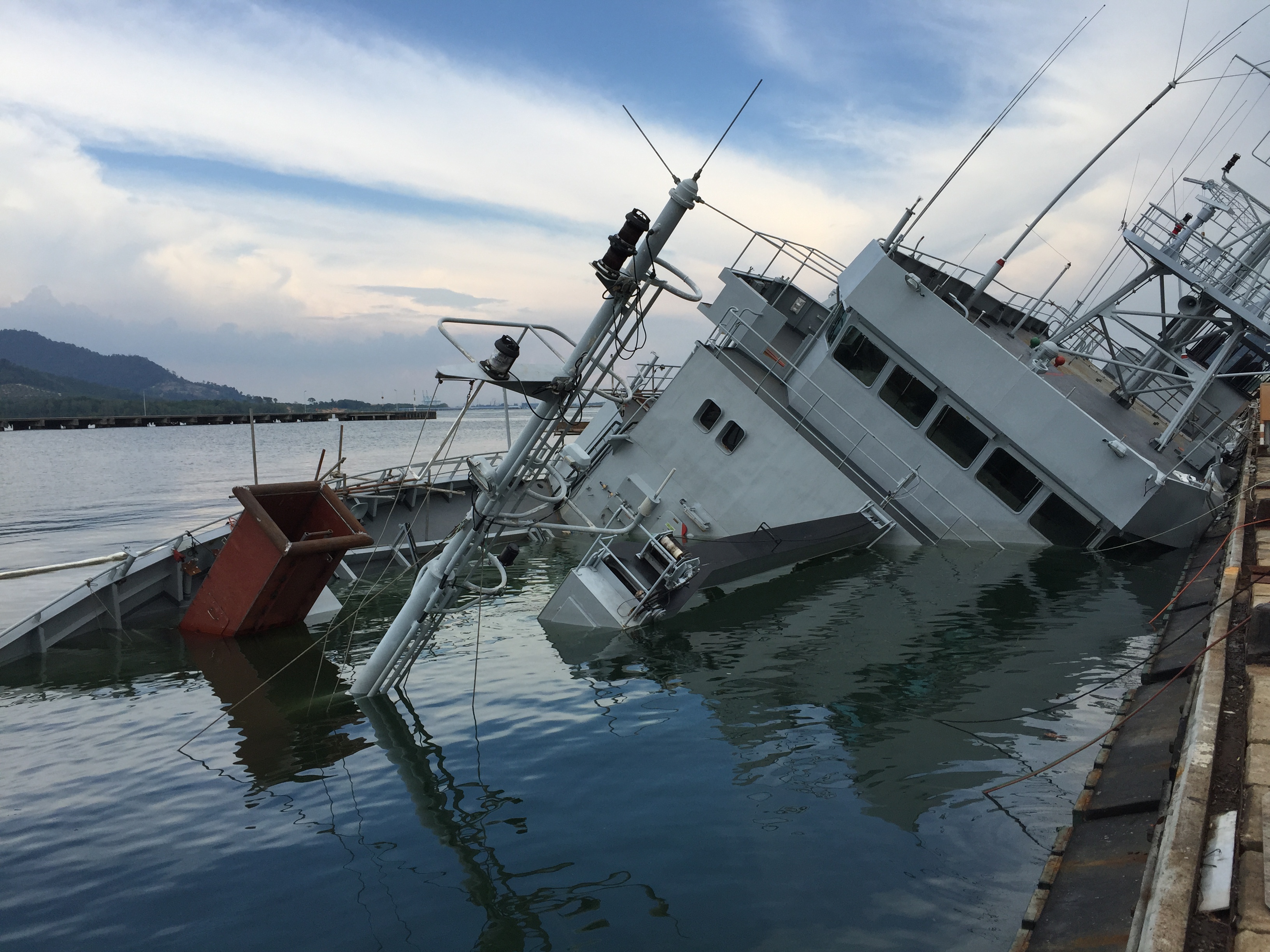
Once more information from the casualty comes in, Solis Marine’s naval architects use it to fill in the gaps where assumptions were made and refine the calculations. More time also typically means more vessel drawings are available, allowing a more accurate hydrostatic model of the casualty to be developed, further increasing the analysis's accuracy.
This allows Solis Marine’s casualty team to continuously review the salvor’s response and plans and, where appropriate, suggest an increase or decrease in resources. Often, if they are appointed, we assist in liaising with the Class Emergency Response Service (ERS) to provide them with updated information to work towards agreed assessments that can be provided to the local authorities for their approval.
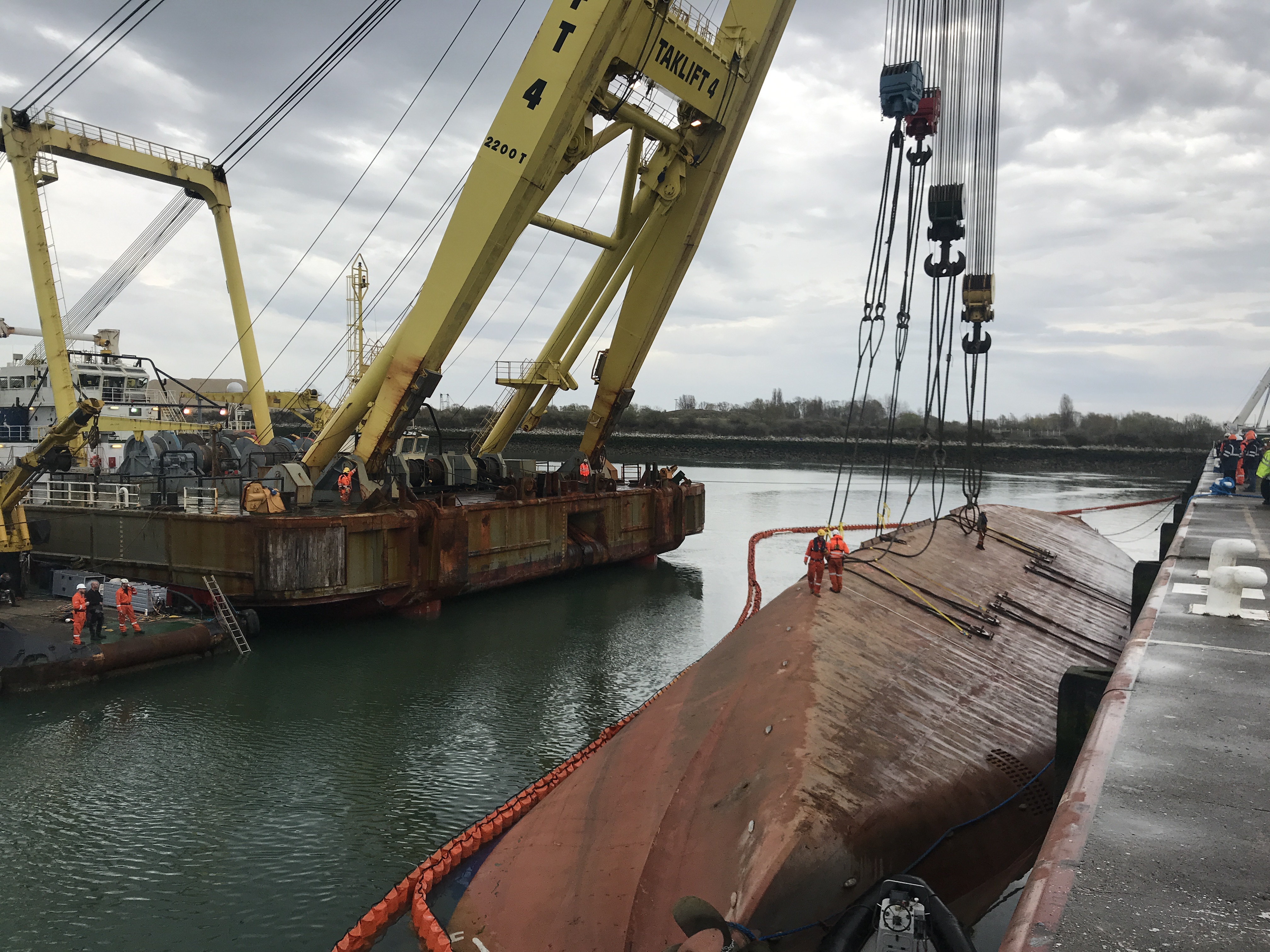
As well as supporting insurers during this time, our naval architects have worked directly for the salvors when they have been short of resources and required an experienced naval architect to be part of their salvage team.
Solis Marine’s naval architects have also been involved in several Lloyd’s Open Form Salvage Arbitrations. In these, our technical and practical experience from salvage cases has been invaluable in identifying damage and risks to the vessel during the salvage.
Wreck Removal
As well as assisting during salvage response, Solis Marine’s naval architects are also involved during the various phases of a wreck removal. We also have our engineering division on hand to assist with complex structural or hydrodynamic analysis, which can be required for more complicated operations.
Our involvement in wreck removal includes reviewing the contractor's proposed removal methods during tendering and contracting, reviewing updates to the removal method during the detailed planning phase and reviewing progress during the execution of the wreck removal.
There is usually more information available during a wreck removal, so fewer assumptions are required and more time is available to generate accurate models of the wreck.
By having wreck removal plans and operations reviewed by a naval architect, insurers can have confidence that the risks associated with the chosen wreck removal methodology are reduced.
For more information please contact Duncan Campbell on D.Campbell@solis-marine.com