
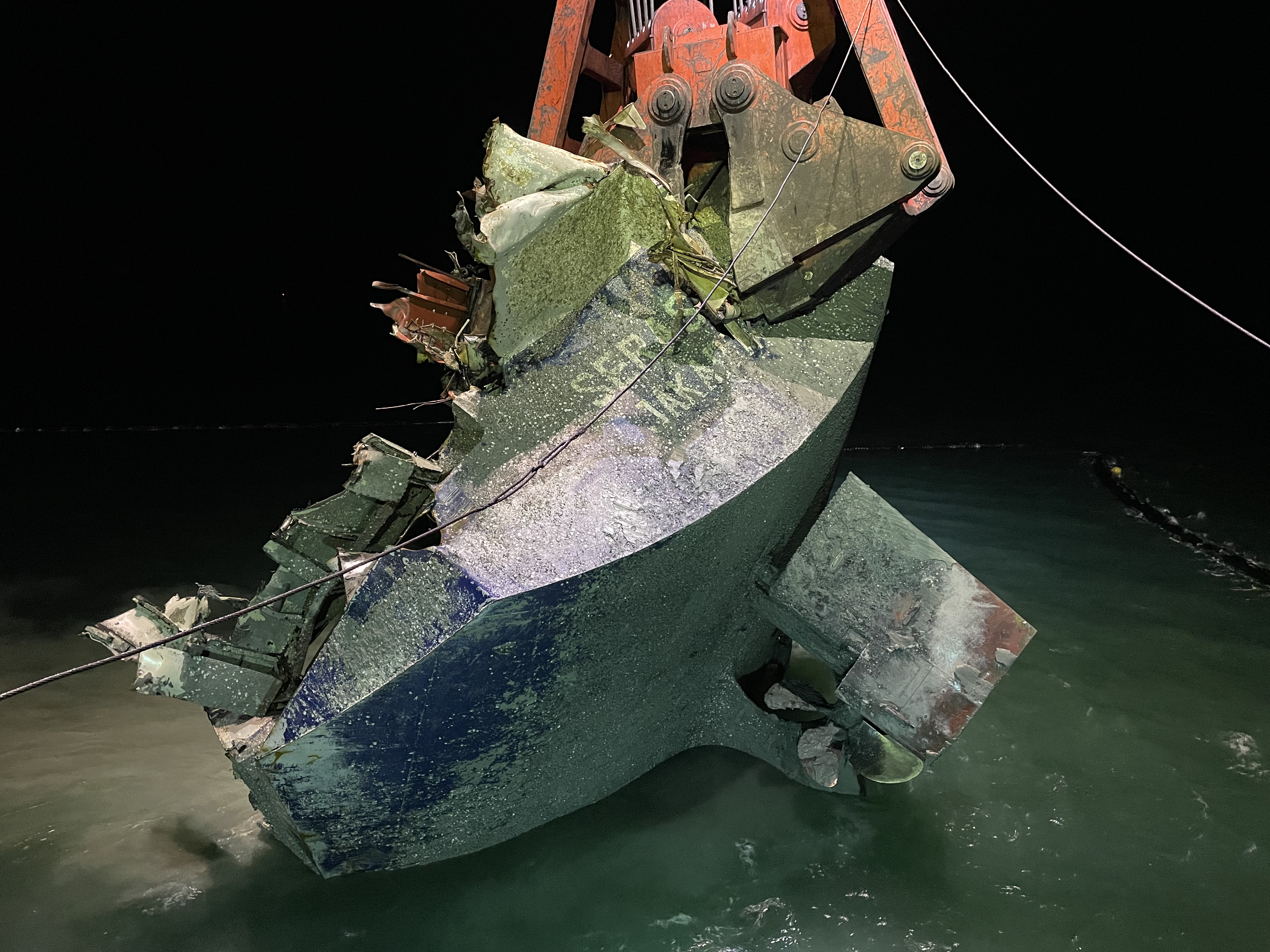
On 1 December 2022, the vehicle carrier ‘SERASI I’ collided with the general cargo vessel ‘BATANGHARI MAS’ while transiting through the Bangka Strait, Indonesia. Holed on her port side, ‘SERASI I’ sank rapidly in around 32 metres of water close to the western shoreline of Bangka Island, coming to rest at a list of 82 degrees to port. All 17 crew were rescued. She was carrying 497 motor vehicles at the time and had a lightship weight of 2,676 tonnes.
Solis Marine was engaged by the marine insurance provider Skuld to manage the casualty response across all phases of the project. Our Singapore office led the work from the initial response through to final site clearance and the disposal of the vessel and cargo in a sustainable manner, a process that spanned just over two years.
Phase 1: Immediate response, survey and pollution prevention
With pollution prevention the immediate priority, Solis Marine mobilised together with T&T Salvage within days of the casualty. Phase 1 was completed within 10 days. T&T Salvage carried out a dive survey of the vessel and a bathymetric and side-scan survey of the wreck site. Twenty-three fuel and lube oil tank vents were sealed to prevent oil escaping, access points to the machinery space were secured, and the wreck was marked with an emergency wreck marking buoy to warn passing vessels.
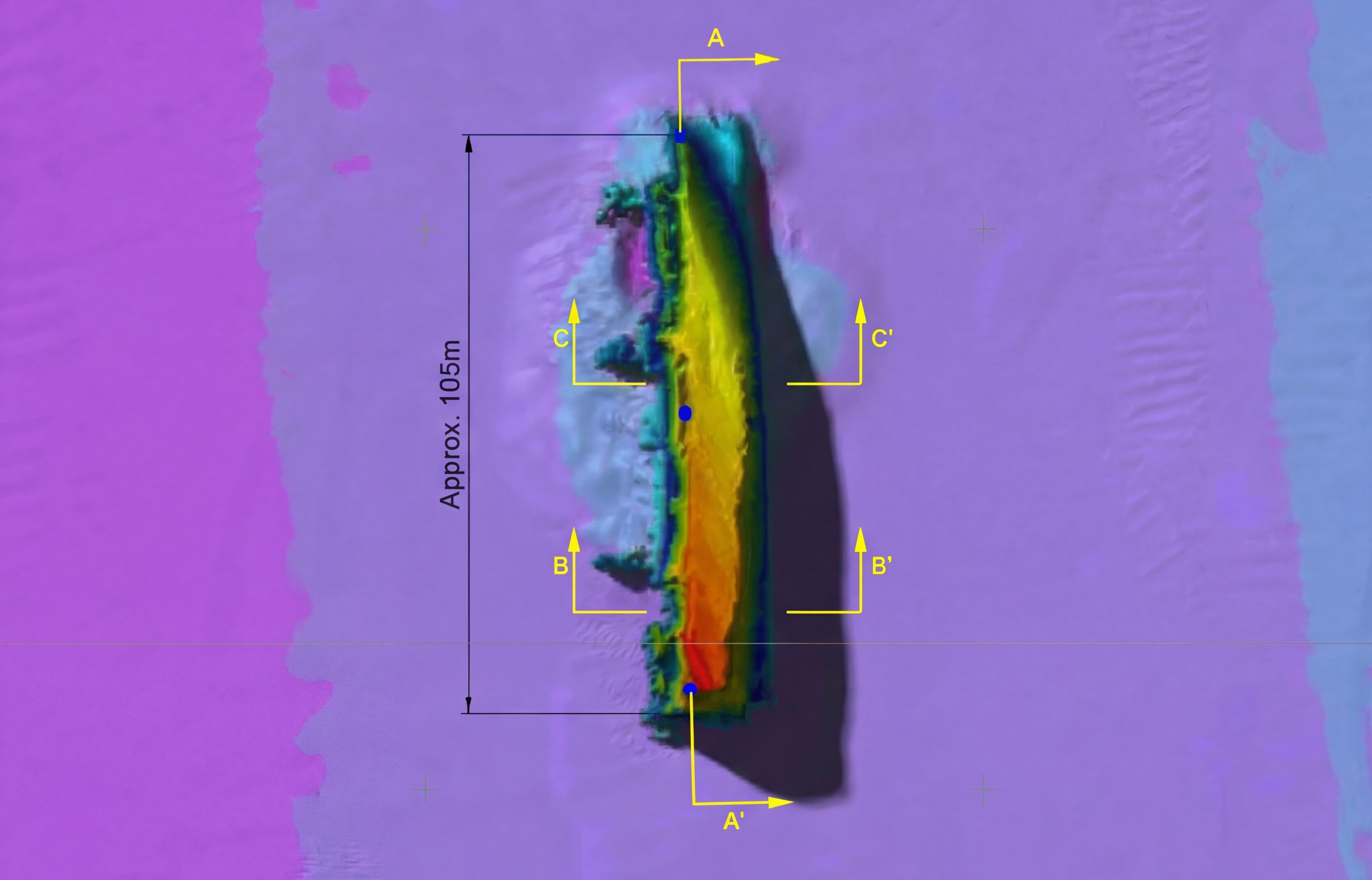
Phase 2: Oil removal
Following the survey, T&T Salvage were again mobilised for the oil removal phase, carried out during February and March 2023. As lead contractor, T&T Salvage engaged Jasalindo Salvage as their local diving partner. Together they hot-tapped the vessel’s fuel and lube oil tanks, recovering around 78 cubic metres of hydrocarbons. All accessible fuel oil, lube oil and dirty oil tanks were recovered, along with free-floating oil and oily water from the engine room casing. Paint, thinners and batteries along with other accessible marine pollutants were also removed during this phase.
Working conditions were challenging throughout. Tidal currents of over 3 knots were frequently recorded in the Bangka Strait, reducing the available slack water window for diving, and contractors were required to adapt their approach accordingly.
Phase 3: Wreck removal
With pollution risk under control, a tender process was run for the wreck removal contract. Following an extensive clarification process, Guangzhou Salvage (GZS) were appointed in June 2023. Sustainability was a key priority, and liaison with local authorities and vessel interests helped to secure the necessary Indonesian permits and approvals.
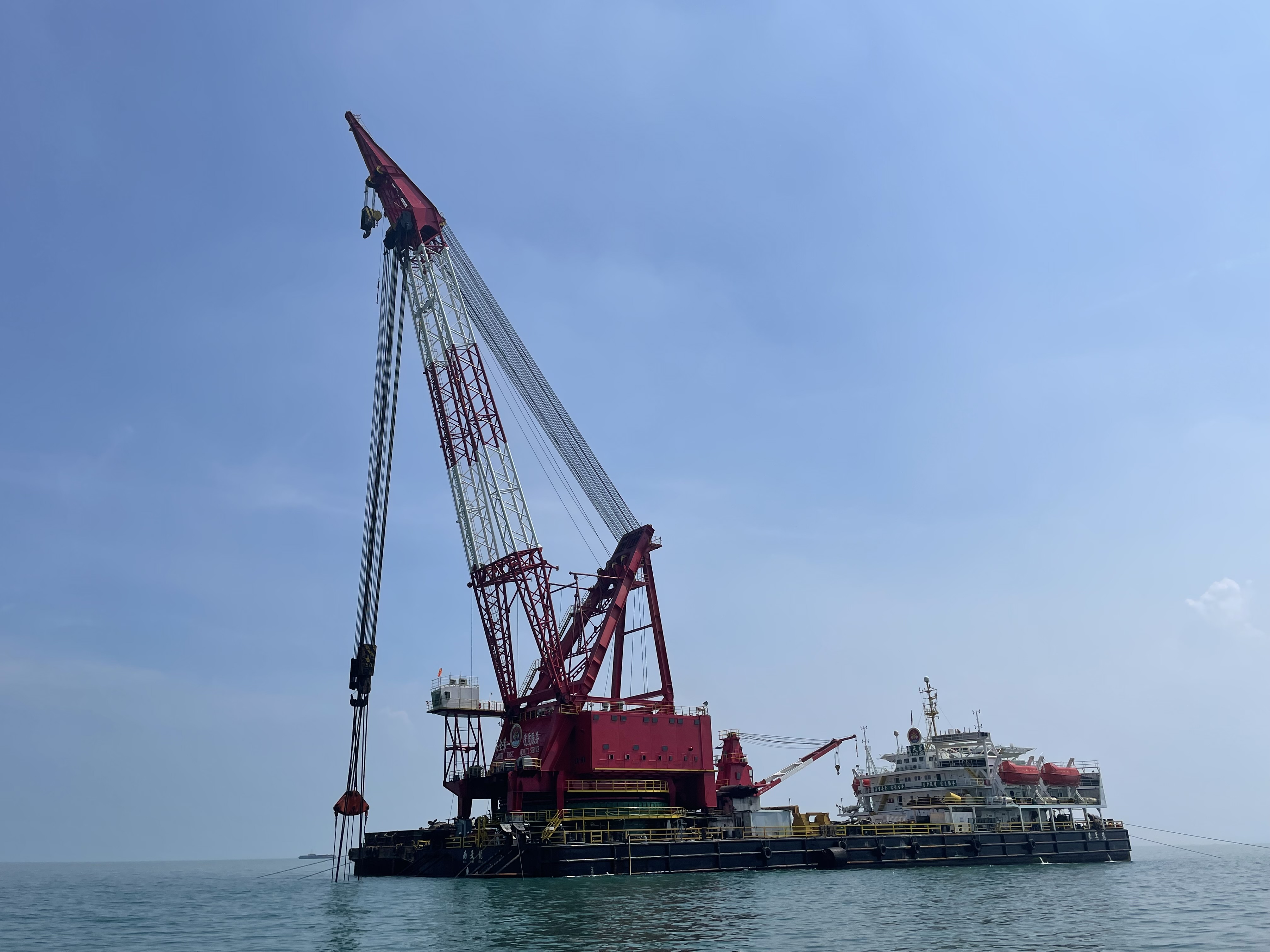
Offshore removal operations commenced on 18 October 2023. GZS deployed the heavy lift vessel ‘NAN TIAN LONG’, using the vessel’s 900-tonne crane and 500-tonne deepwater salvage grab to break up and recover the wreck piece by piece. Debris was loaded onto barges and transported to onshore processing facilities set up at Batam. Removal operations on site were completed in 74 days, with all debris from the vessel recovered by 31 December 2023. A post-completion survey of the seabed was carried out in early January 2024, confirming the worksite was clear.
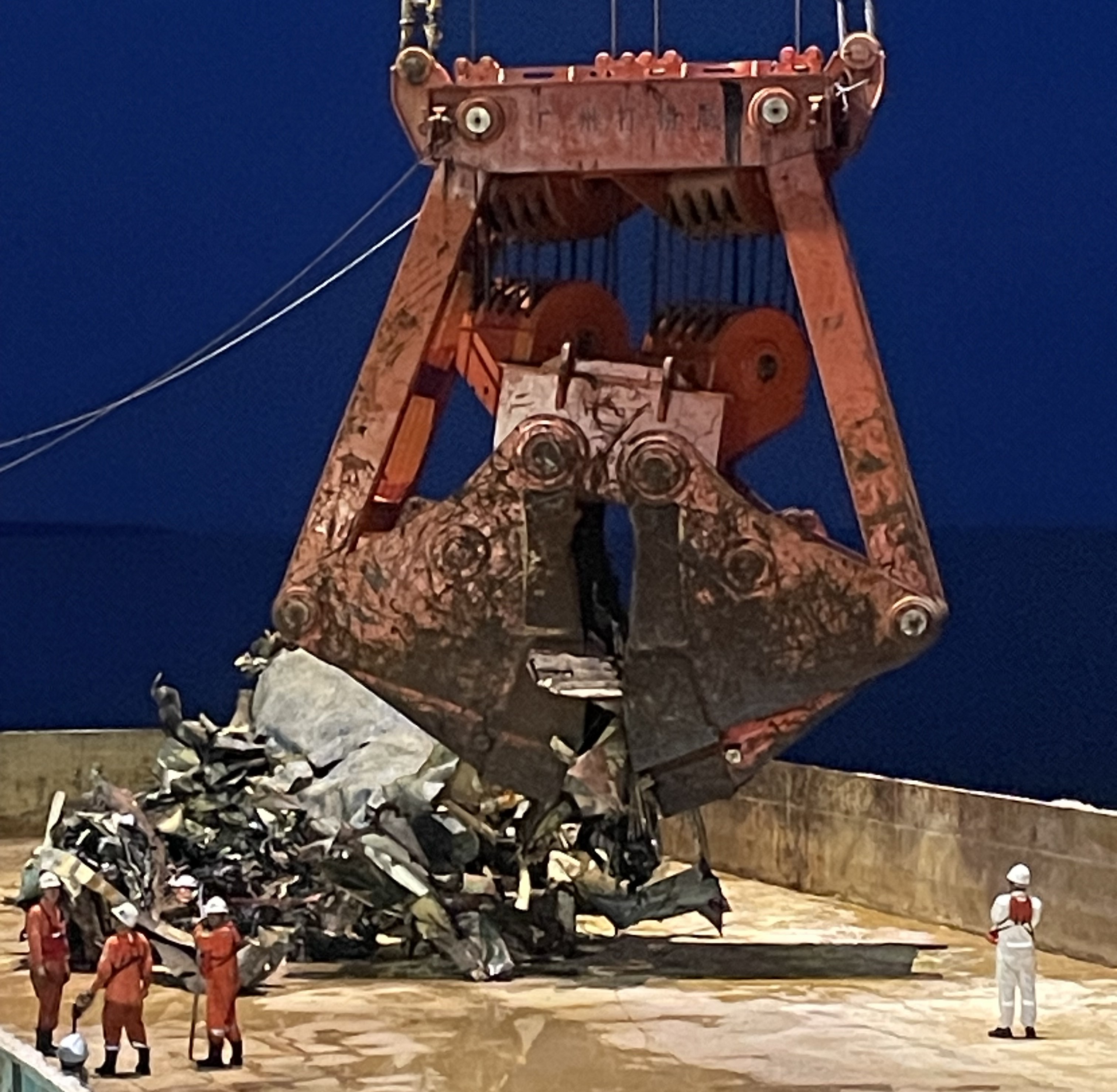
Onshore, recovered material was sorted and processed at facilities in Tanjung Uncang and Sei Lekopat in Batam. Batteries, waste oil and other hazardous materials were disposed of in line with Indonesian environmental regulations. All onshore work was completed by June 2024, and a zero-accident record was achieved across the whole project.
A final shoreline survey found no oil, debris or flotsam from ‘SERASI I’ anywhere along the surrounding coastline.
Conclusion
The three-stage operation ran for 18 months, from the initial response in December 2022 to the end of onshore disposal in June 2024. Offshore, the project faced strong tidal currents, limited diving windows and the demands of working in a remote location. Pollution prevention was a priority throughout, and a clean and unaffected shoreline was confirmed on completion.
Onshore, the scale of the recycling and disposal programme reflected a real commitment to responsible project delivery. Processing over 2,676 tonnes of vessel lightship and 497 vehicles including large volumes of plastics, tyres, cables and hazardous materials in an Indonesian context required careful planning. A zero-accident record across all phases was a credit to everyone involved.
Solis Marine was glad to work with Skuld and the project contractors to reach this outcome. With a permanent office now in Indonesia, Solis Marine can respond quickly to casualties in the region, backed by the expertise of the Singapore office. Local presence combined with regional capability means clients can expect a fast, well-coordinated response to casualties anywhere in Indonesian waters.